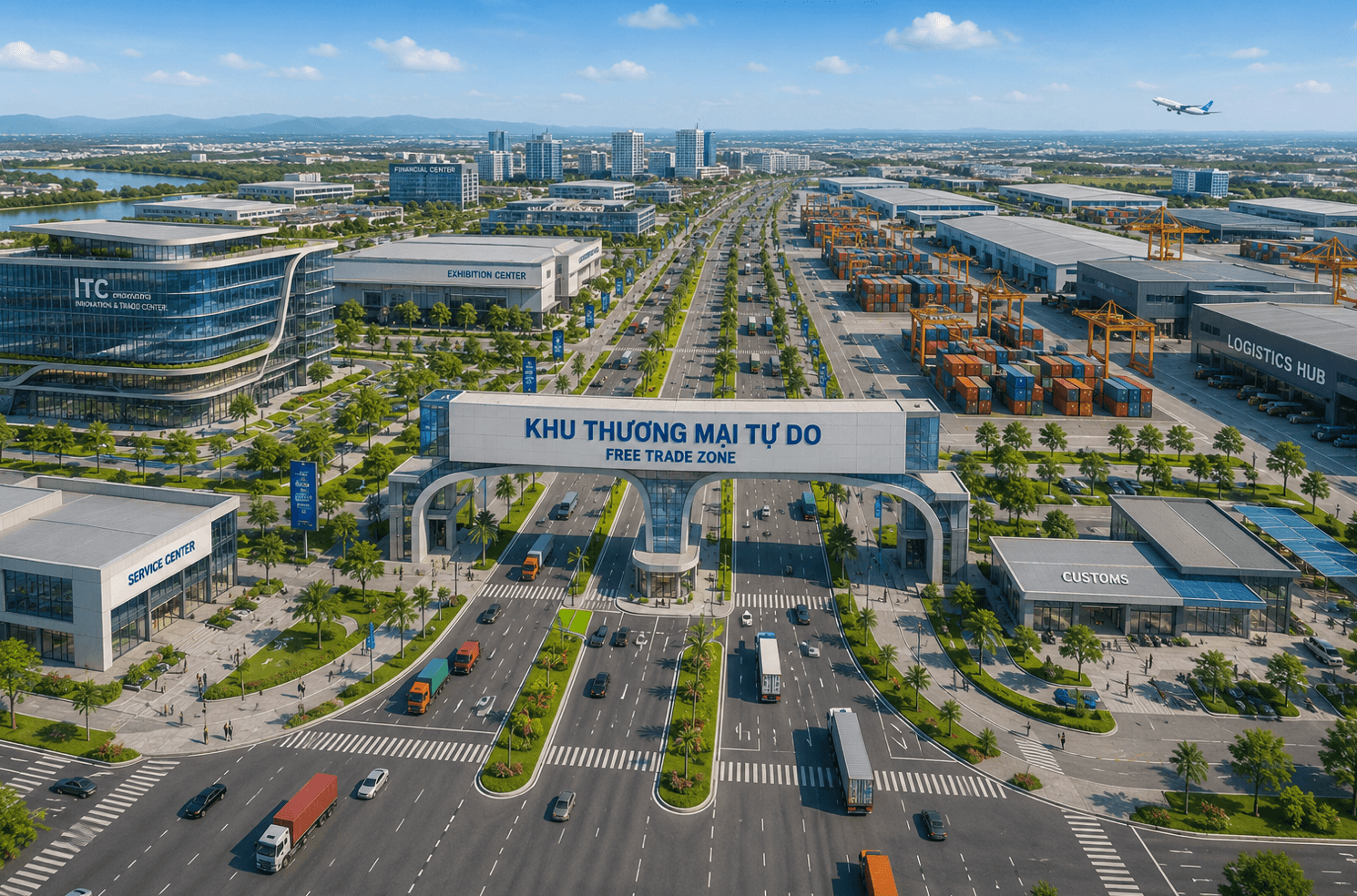
Bac Ninh Plans 5,000-Hectare Free Trade Zone Linked to Gia Binh International Airport
Bac Ninh is planning a 5,000-hectare free trade zone connected to Gia Binh International Airport, aiming to become a major logistics, industrial, and innovation hub in Northern Vietnam.
Northern Vietnam’s industrial powerhouse, Bac Ninh, is set to establish a 5,000-hectare free trade zone (FTZ) integrated with the upcoming Gia Binh International Airport. The ambitious development marks a major step in the province’s long-term strategy to strengthen its role as a regional economic and logistics hub, while accelerating industrial expansion, foreign investment, and global trade connectivity.
Bac Ninh’s Vision for a New Free Trade Zone
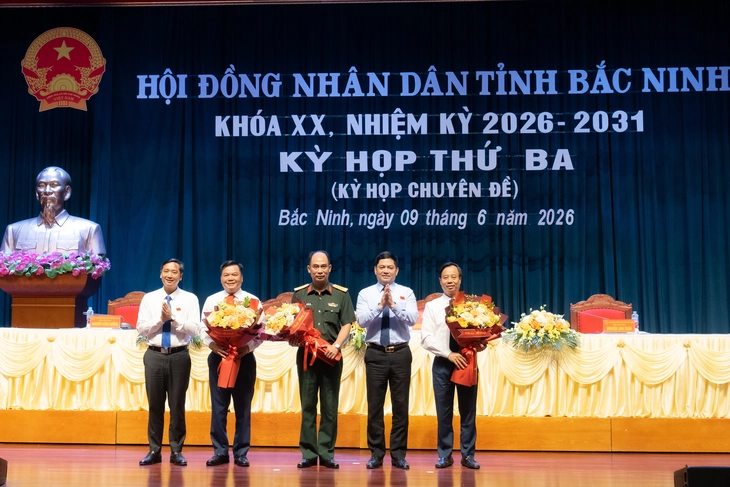
The People’s Council of Bac Ninh has officially approved adjustments to the province’s master development plan for 2021–2030, with a vision extending to 2050. At the center of this revised strategy is the proposal for a 5,000-hectare free trade zone located near the future Gia Binh International Airport.
This FTZ is expected to serve as a strategic economic engine, combining manufacturing, logistics, trade, and digital industries into a single ecosystem. By leveraging the airport’s international connectivity, Bac Ninh aims to establish a competitive gateway for exports, imports, and cross-border commerce.
The province’s leadership sees the FTZ as a transformative project that will help reposition Bac Ninh as one of Vietnam’s most advanced economic centers.
Strategic Linkage with Gia Binh International Airport
A critical factor behind the FTZ’s potential lies in its integration with Gia Binh International Airport, one of the country’s most ambitious infrastructure projects.
Approved by the National Assembly in late 2025, the airport is planned as a 4F-standard international aviation hub, capable of handling 30 million passengers and 1.6 million tons of cargo annually by 2030. By 2050, its capacity is projected to expand to 50 million passengers and 2.5 million tons of cargo.
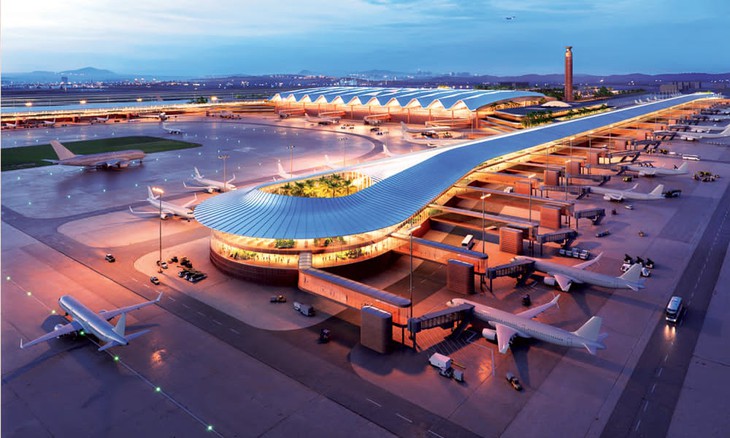
The combination of a large-scale FTZ and a world-class airport is expected to create a seamless logistics chain, enhancing supply chain efficiency and reducing transportation costs for investors.
Expanding Industrial and High-Tech Development
Beyond the free trade zone, Bac Ninh is also planning a 10,000-hectare specialized economic zone focused on high-tech industries and advanced services. This reflects the province’s broader strategy to move beyond traditional manufacturing and embrace innovation-driven growth.
By 2030, Bac Ninh aims to expand its industrial landscape to 66 industrial parks, covering nearly 19,800 hectares, with an additional 23 parks under consideration for future development.
This aggressive industrial expansion aligns with the province’s ambition to become a centrally governed city before 2030, driven by digital transformation, green growth, and knowledge-based industries.
Rising Investment Momentum in Bac Ninh
The province has already emerged as one of Vietnam’s top destinations for foreign direct investment (FDI). In the first five months of 2026 alone, Bac Ninh attracted more than $7.18 billion in total investment capital, including significant domestic and international commitments.
This investment surge highlights strong confidence from both local and foreign businesses in Bac Ninh’s development prospects.
The FTZ and airport project are expected to further strengthen this momentum, particularly among investors in electronics, logistics, semiconductors, and digital technology sectors.
Strengthening Northern Vietnam’s Global Trade Position
The establishment of the Bac Ninh Free Trade Zone represents more than a provincial development plan—it reflects Vietnam’s broader strategy to strengthen global supply chain integration and enhance economic resilience.
With its strategic location near Hanoi, access to major ring roads, planned railway networks, and direct airport connectivity, Bac Ninh is positioning itself as a key trade and logistics hub in Northern Vietnam.
As competition for high-value investment intensifies across Southeast Asia, the province’s integrated model of industrial zones, free trade incentives, and modern transport infrastructure could become a blueprint for Vietnam’s next generation of economic development.
Source: https://vietnamfinance.vn/bac-ninh-se-co-khu-thuong-mai-tu-do-5000ha-gan-voi-san-bay-gia-binh-d146027.html